
Fibreglass Pool Removal Cost: 5 Crucial Tips for Success
Understanding Fibreglass Pool Removal Costs
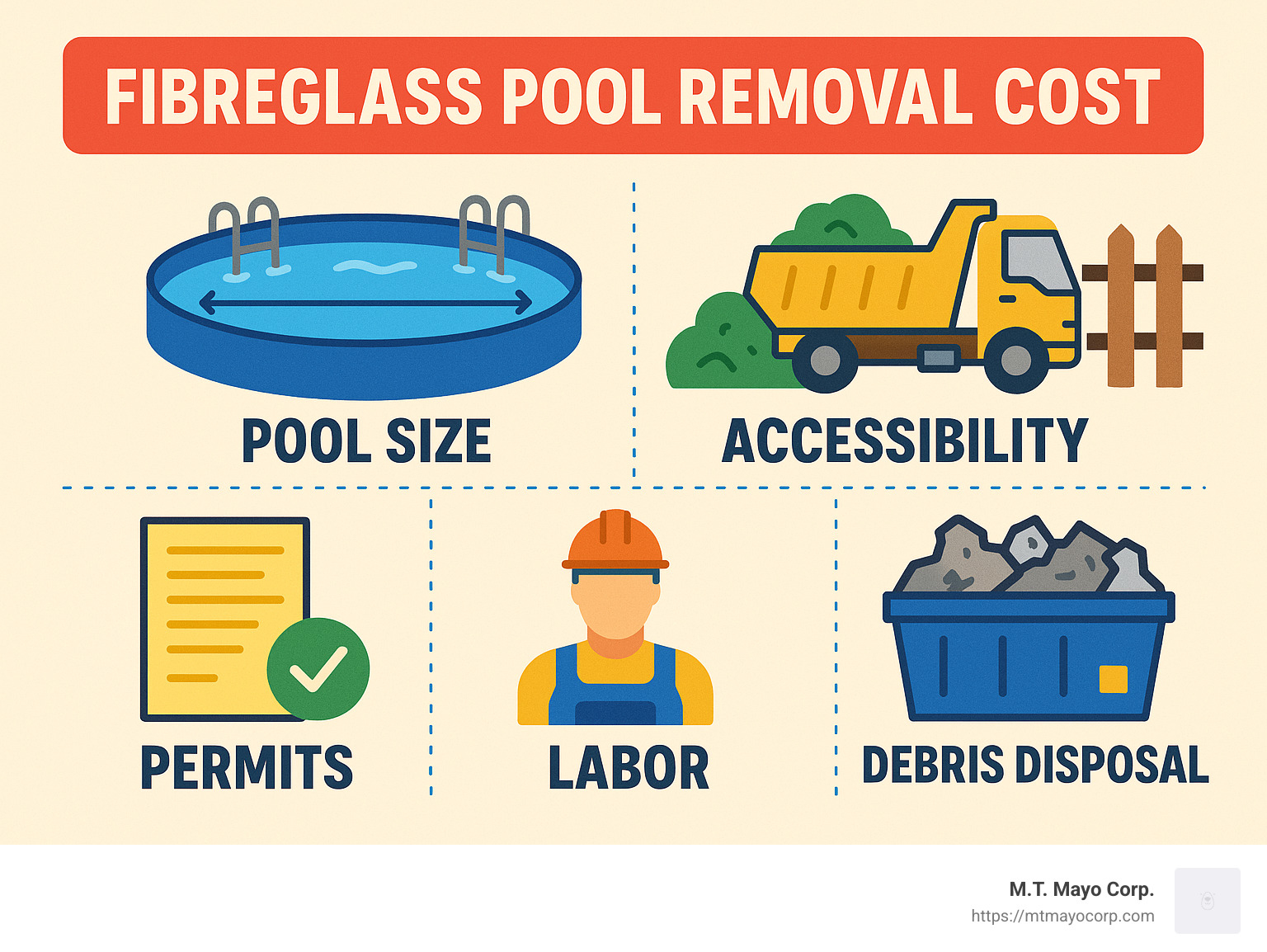
Fibreglass pool removal cost typically ranges from $4,000 to $15,000 depending on several factors:
- Pool size
- Access to the site
- Local labor rates
- Required permits
- Debris removal and disposal fees
Removing a fibreglass pool isn’t just about regaining valuable real estate. It’s about cutting down ongoing maintenance, eliminating safety hazards, and potentially enhancing your property’s value. But knowing exactly what affects removal expenses can save you significant time and money.
In this guide, we’ll dive deeper into each factor, so you can confidently manage your fibreglass pool removal project and budget smartly.
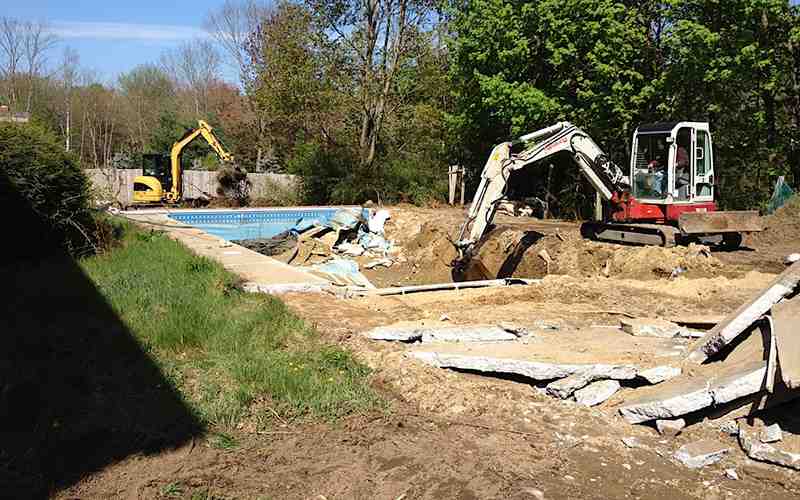
When it comes to removing a fibreglass pool, homeowners generally have two options: full removal or partial removal. Each comes with its own cost implications and considerations.
Full Removal
Full removal involves completely excavating and removing the entire pool structure, including the shell, plumbing, and equipment. This approach typically costs between $9,000 and $15,000 for an average-sized fibreglass pool. The benefit of full removal is that it returns your yard to its original state, allowing for complete landscape redesign or construction of new structures.
Tom Jenkins from Middlesex County shares his experience: “We opted for full removal of our 15-year-old fibreglass pool. While it was more expensive upfront at around $12,000, we now have a beautiful garden space where the pool once stood, and our property value increased significantly.”
Partial Removal
Partial removal (also called “fill-in”) involves breaking up the bottom of the pool for drainage, removing the top portion of the walls, and filling the remaining hole with compacted gravel and soil. This method typically costs between $4,000 and $8,000. While more affordable, partial removal may require disclosure when selling your home and could limit future yard use.

Factors Influencing Fibreglass Pool Removal Cost
Understanding exactly what impacts your fibreglass pool removal cost can help you budget effectively and avoid surprises down the road. Let’s take a closer look at the main factors that can increase or decrease your overall expenses.
Pool Size
First up, the size of your fibreglass pool plays a big role in determining the final cost. As you might guess, the larger the pool, the more materials, labor, and equipment it requires to remove. Here’s a quick snapshot of what you can expect:
- Small pools (under 300 sq ft) typically run from $4,000 to $6,000.
- Medium-sized pools (around 300-600 sq ft) usually cost between $6,000 to $10,000.
- Large pools (600 sq ft and above) can range from $10,000 to $15,000 or more.
These figures can flex depending on the complexity of your particular job, but size is usually a solid starting indicator.
Pool Material
While we’re specifically discussing fibreglass pools here, it’s helpful to know how this choice affects your costs compared to other materials. Fibreglass pools are actually less expensive to remove than concrete pools because they’re lighter and easier to break apart.
But there’s a catch: fibreglass pools are often manufactured as a single piece. This means that if you’re planning to recycle or repurpose the shell, specialized equipment and careful handling is required. Although recycling is an eco-friendly and appealing option, it can sometimes add slightly to your costs due to these logistical considerations.
Labor Costs
Now let’s talk about labor, which typically makes up about 60-70% of your fibreglass pool removal cost. At M.T. Mayo Corp., we’ve found labor rates in Middlesex and Essex Counties generally range between $50 and $85 per hour for trained excavation professionals.
Your typical pool removal project usually requires a team of 3-5 workers, taking anywhere from 2 to 5 days, depending on complexity and size. The bottom line? Labor is a significant factor in your overall budget, so it’s worth getting clear estimates from your contractor upfront.
Accessibility
Here’s something many homeowners overlook: accessibility. If your pool is tucked away in an area that’s tough to reach, expect your project costs to rise. For example, narrow access points that require compact or specialized equipment can tack on an extra $1,000 to $2,500.
Similarly, if your pool is close to structures like your home, garage, or deck, demolition crews will need to work more slowly and cautiously. This extra care usually adds between $1,500 and $3,000 to your bill.
And let’s not forget about properties with steep grades or challenging terrain—these tricky spots may add another $1,000 to $2,000 due to additional safety measures and equipment needs.
Permits
Last but certainly not least, permits are a key cost consideration for pool removals. Most municipalities throughout Massachusetts require you to secure a permit for pool removal projects, typically priced between $100 and $500.
Certain towns in Middlesex County, such as Newton and Lexington, have stricter regulations. These towns might require extra inspections or documentation, potentially increasing your permitting expenses by an additional $200 to $400.
Before starting your project, it’s always a good idea to check in with your local permitting department to understand exactly what’s required. The M.T. Mayo Corp. team can also guide you through this process smoothly, ensuring you remain compliant and worry-free.

By understanding these key factors influencing your fibreglass pool removal cost, you’ll be well-equipped to manage your project budget effectively. At M.T. Mayo Corp., we pride ourselves on transparency and helping homeowners like you make smart, informed decisions.
Cost Breakdown for Fibreglass Pool Removal
When you’re planning your fibreglass pool removal, it helps to know exactly where your money is going. Let’s take a friendly walk through each expense category so you can budget confidently and avoid surprises down the road.
Permits
First things first—permits. Depending on where you live, permits usually run between $100 and $500. You might need separate permits for demolition, backfilling the pool, grading your yard afterward, or even fence removal if that applies.
At M.T. Mayo Corp., we take care of all permit applications for you. Trust us: dealing with city hall isn’t anyone’s idea of a good time. Our full-service approach saves you the hassle and makes sure you’re covered by local regulations. You can relax—permit headaches are on us.
Pool Draining
Before the excavator rolls in, your pool needs to be drained properly. Professional draining typically costs around $300 to $600. In some towns, environmental testing might be required (another $100 to $200), or special drainage equipment if access is tricky (around $150 to $300). It’s tempting to skip steps here, but professional draining ensures you avoid damaging your property or angering local inspectors.
Fill Materials
For partial (fill-in) removals, you’ll need plenty of material to fill the pool’s hole. Expect clean fill dirt to run about $150 to $400 per truckload. Don’t forget about gravel ($300 to $600) to ensure proper drainage, and good-quality topsoil ($200 to $500) to complete the job nicely. Compaction of the soil is crucial to avoid settling later on, but don’t worry—this service is typically included in the overall labor costs.
Labor
Speaking of labor, this is usually your largest expense, accounting for around 60-70% of the total fibreglass pool removal cost. Most projects need a crew of 3 to 5 skilled workers over 2 to 5 days, depending on the size and complexity of your pool removal.
In Middlesex and Essex Counties, reliable, licensed pros like ours usually charge between $50 and $85 per hour per worker. For most removals, total labor costs range from $3,000 to $7,000. Hiring seasoned professionals ensures safety, efficiency, and peace of mind that DIY just can’t match.
Debris Haul-Off
Finally, there’s the cleanup—and let’s be honest, no one enjoys dealing with demo debris. Renting dumpsters typically adds about $400 to $800 to your budget. There are also landfill fees of around $500 to $1,500, depending on local disposal rates and the amount of debris generated.
Want to go greener? Recycling or repurposing fibreglass materials may be an option, though recycling fees typically cost around $300 to $700. Even so, the satisfaction of keeping waste out of landfills can be well worth it.
All these expenses add up, but the good news is that careful planning and understanding of each cost will help you manage your budget wisely. At M.T. Mayo Corp., we’re here to help every step of the way, making sure your pool removal project is smooth, safe, and stress-free.

DIY vs. Professional Fibreglass Pool Removal
If you’re like many homeowners, you’re probably wondering if tackling fibreglass pool removal yourself could help lower your fibreglass pool removal cost. DIY projects can be fun—and yes, sometimes budget-friendly—but pool removal is a significant undertaking involving specialized equipment, safety concerns, and local regulations.
Let’s break down the DIY approach versus bringing in a professional, so you can make the best choice for your situation.
DIY Costs
At first glance, taking the DIY route can look pretty attractive financially. Typical expenses for a DIY fibreglass pool removal project include equipment rentals, dumpster rentals for debris disposal, fill materials, and safety gear.
You’ll likely spend around $1,500 to $3,000 per week on specialized equipment rental like excavators and jackhammers. Expect another $400 to $800 for dumpster rental, and around $650 to $1,500 for fill materials such as gravel and topsoil. Don’t forget about permits—they’ll cost you around $100 to $500 depending on your city or town.
And safety isn’t something you want to cut corners on. Equipment like hard hats, safety glasses, ear plugs, dust masks, gloves, and steel-toed boots can add an additional $200 to $400 to your total bill.
When you add these expenses up, the total DIY cost typically ranges from $2,750 to $5,700—not counting the value of your own time and effort.
Rental Equipment
Speaking of equipment, let’s be clear—pool removal isn’t something you can tackle with just your trusty shovel and wheelbarrow. You’ll need heavy-duty gear, including a mini-excavator ($350-$500 per day), jackhammer ($70-$150 per day), compactor ($80-$120 per day), concrete saw ($60-$100 per day), and possibly even a dump truck ($300-$500 per day).
Knowing how to operate this machinery safely and efficiently is critical, so unless you’re already experienced with heavy equipment, you’ll face a steep learning curve.
Safety Gear
We can’t emphasize this enough—pool removal is serious construction work. Proper safety gear isn’t optional; it’s essential. You’ll need hard hats, gloves, steel-toed boots, eye and ear protection, dust masks or respirators (breaking up fibreglass can release irritating particles), high-visibility clothing, and even first aid kits.
Skipping the safety gear to save a few bucks simply isn’t worth the risk of injury.
Professional Expertise
On the other hand, hiring professionals like the expert team at M.T. Mayo Corp. provides peace of mind that your project is done safely, efficiently, and correctly. Professionals bring essential know-how, including familiarity with local codes and regulations, experience handling unforeseen complications (like hidden utility lines or challenging access points), and proper insurance coverage.
A professional crew also has access to commercial-grade equipment and knows exactly how to approach removal, backfill, and compaction to prevent future issues like yard settling. They’ll complete the job more quickly, freeing up your valuable time and reducing the stress of a major DIY project.
Sarah Miller from Burlington sums it up perfectly: “We initially planned to remove our pool ourselves but quickly realized it was beyond our capabilities. Hiring professionals cost more upfront but saved us from potential disasters and property damage. The peace of mind was worth every penny.”
While DIY might seem like a great way to reduce your fibreglass pool removal cost, it’s important to weigh the challenges, risks, and real expenses carefully. In many cases, professional removal is ultimately the most cost-effective and stress-free choice.

Cost-Saving Tips for Fibreglass Pool Removal
Fibreglass pool removal cost can certainly make your wallet feel lighter, but the good news is you don’t have to break the bank. With a bit of planning and some strategic choices, you can save money without sacrificing quality or safety. Let’s explore some practical tips that will help keep your removal project affordable and stress-free.
Multiple Estimates
One of the smartest ways to start trimming your fibreglass pool removal cost is by getting multiple estimates. Reach out to at least three reputable contractors, including trusted providers like us at M.T. Mayo Corp., to see how our services and prices stack up. Comparing quotes isn’t just about finding the lowest price—it’s about understanding what’s included, spotting extra fees, and avoiding unnecessary services. Plus, it never hurts to have some negotiating power!
DIY Tasks
Doing the entire project yourself can be overwhelming, but that doesn’t mean you can’t chip in to lower costs. Many homeowners successfully tackle smaller tasks that don’t require heavy machinery or professional expertise. For instance, you can handle pool draining yourself (just make sure you follow local regulations carefully). Removing things like ladders, pool equipment, fencing, or decking yourself can also easily save you a few hundred dollars.
After the removal, consider doing some basic landscaping on your own. Spreading topsoil, planting grass seed, and adding mulch are all manageable tasks that can significantly cut down labor expenses. Plus, you’ll earn some serious bragging rights at your next backyard barbecue.
Salvageable Materials
Don’t underestimate the hidden value buried in your old pool setup! Items like pool pumps, filters, heaters, decking materials, and fencing often still have resale value. Good-condition pumps and filters can fetch between $100-$500, while functioning heaters can net you anywhere from $200-$800. Even fencing and decking materials might be repurposed or sold second-hand.
At M.T. Mayo Corp., we love helping homeowners identify these valuable items. We’ll happily point out what might have resale value to help offset your removal expenses. After all, one person’s old pool heater is another person’s treasure, right?
Recycling
Another smart tip to save on your fibreglass pool removal cost is recycling. Believe it or not, many parts of your old pool can live a second life. Fibreglass shells can sometimes be recycled or repurposed, reducing disposal fees dramatically. Metal components like railings and supports can be scrapped for cash. Concrete decking can even be crushed down to make useful fill material, eliminating the need for costly landfill drop-offs.
When you work with a responsible contractor like M.T. Mayo Corp., we’ll make sure to recycle and repurpose whatever we can. It’s good for the planet—and your wallet!
Seasonal Discounts
Did you know that timing your pool removal project can actually save you money? Contractors often experience slower periods in late fall and winter, which translates into potential savings for homeowners. Scheduling your removal during these off-peak months could lead to discounts of 10-20% compared to busier summer months.
Some contractors even offer early booking discounts or package deals if you’re bundling multiple services (like pool removal and landscaping or grading). Keep an eye out for these promotions—and don’t be shy about asking us at M.T. Mayo Corp. if we have any seasonal specials or discounts available. We love helping our customers save a little extra!
By being savvy with your contractor choices, tackling manageable tasks yourself, salvaging and recycling materials, and timing your project wisely, you can significantly reduce your fibreglass pool removal cost. And remember—no matter how you choose to save, the experts at M.T. Mayo Corp. are always here to help you complete your project safely, efficiently, and affordably.
Frequently Asked Questions about Fibreglass Pool Removal Cost
Can removing a pool increase property value?
Absolutely! In many cases, removing an old or damaged fibreglass pool can give your home’s value a nice boost. While a well-maintained pool can sometimes attract buyers, a deteriorating or unused pool can actually lower your property’s market value. Real estate insights from Middlesex County show homes with neglected or unwanted pools often sell for around 5-8% less than similar properties without pools.
By investing in fibreglass pool removal, you’re also cutting out those pesky ongoing maintenance costs (typically $1,200-$2,400 yearly), removing liability worries, and freeing up valuable yard space. Plus, without a pool, your home becomes attractive to a broader range of potential buyers—including families with young kids and people seeking low-maintenance yards.
How long does it take to remove a fibreglass pool?
That’s a great question—and the answer depends on a few factors. In general, you can expect your fibreglass pool removal project to take about 2-4 weeks from start to finish, although the actual work on-site usually happens over 5-10 business days.
First, you’ll need to account for permit acquisition, which typically takes about 1-3 weeks depending on your town. Next, draining the pool usually takes just a day or two. When it comes to the actual removal, a full fibreglass pool removal usually takes around 2-5 days, while a partial removal (fill-in) is quicker, roughly 1-3 days.
After that, expect another 1-2 days for carefully backfilling and compacting the area, followed by 1-2 days spent restoring your site—like basic landscaping or leveling. At M.T. Mayo Corp., we handle all these steps with care and efficiency, so your yard is back to looking beautiful in no time.
Are there any financial assistance programs for pool removal?
While financial assistance specifically for pool removal isn’t common, there are still a few ways homeowners might offset their fibreglass pool removal cost. Home equity loans or lines of credit can provide affordable financing options with favorable terms.
Additionally, certain municipalities, especially in drought-prone areas, occasionally offer water conservation rebates for pool removals. Some neighborhoods identified as redevelopment zones may even qualify for property improvement grants. And here’s a surprising bonus—some insurance companies offer lower premiums after removing a pool because it reduces liability risks.
At M.T. Mayo Corp., we’re always happy to help homeowners in Middlesex and Essex Counties explore potential financial assistance programs and ensure you have all the necessary documentation for your application process.

Conclusion
We hope this guide has given you a clear understanding of what goes into fibreglass pool removal cost—and how to approach this important home improvement project wisely. Removing your pool is more than just filling a hole; it’s a meaningful step toward reclaiming your outdoor space, lowering ongoing expenses, and potentially boosting your property’s value and appeal.
Here at M.T. Mayo Corp., we’ve been helping homeowners in Middlesex and Essex Counties transform their properties for decades. Our licensed and insured team handles each project with care, prioritizing safety, compliance, and exceptional results. Because we understand that every property has unique challenges, we never use a cookie-cutter approach. Instead, we tailor our solutions to meet each homeowner’s specific needs—from navigating complex permit requirements in towns like Newton and Lexington to tackling tricky site access with specialized equipment.
Let’s be honest: pool removal might not sound like the most exciting home improvement project at first. (It’s certainly no kitchen renovation, right?) But when done right, it can be one of the most rewarding. Imagine trading that unused pool for a spacious garden, patio, or even a backyard play area. That’s exactly what our client Tom Jenkins did—and he loves his new garden space.
Wondering about your specific fibreglass pool removal cost? Get in touch with us at M.T. Mayo Corp. today. We’ll provide you with a detailed assessment, answer all your questions, and help you choose the best option for your budget and property. We’re here to make the whole process easy, stress-free, and maybe even a little enjoyable.
(And don’t worry—we promise not to bring our bathing suits!)